Skills Framework tips that transform your growth! Discover 7 powerful strategies designed to elevate your personal and professional development.
1. Introduction to the Skills Framework for Growth
In today’s rapidly evolving job landscape, the Skills Framework for Growth offers a strategic blueprint for individuals and organizations. The framework emphasizes a holistic approach to skills development. Aligning personal aspirations with industry demands creates a dynamic ecosystem.Furthermore, the framework invites us to rethink traditional training approaches. Rather than treating skills acquisition as a one-time event, it encourages continuous learning through diverse pathways, such as mentoring, online courses, and collaborative projects.
Understanding the Importance of Skill Hierarchies
In today’s fast-paced world, recognizing the importance of skill hierarchies can transform how individuals and organizations approach growth and innovation. Furthermore, skill hierarchies play a critical role in workforce planning and talent development. By identifying the skills needed and their levels, employers can design training programs to effectively address the gaps. Empower employees to take ownership of their career trajectory. As we embrace an era of rapid change, leveraging the skills hierarchy will be essential for adaptability, ensuring that both employees and organizations remain agile in the face of changing demands.
Identifying Key Skills for Your Development
Identifying key skills for your development is like starting a treasure hunt within your own capacity. Start by considering the intersections of your passions and market demands. What tasks motivate you, and where do you see a need in your industry? Engaging with mentors and peers can illuminate skills you may have overlooked in your self-analysis. Ask for feedback on your strengths or areas for improvement. Sometimes, others see potential in you before you do. Additionally, consider skills that will be relevant in the future. Technologies like AI and automation are transforming industries, so focusing on emotional intelligence, adaptability, and critical thinking will be sure to help.
Leveraging Feedback for Continuous Improvement
Feedback is often viewed as a fleeting exchange, but when used effectively, it can be a powerful catalyst for continuous improvement. By viewing feedback through a lens of curiosity rather than defensiveness, individuals and teams can uncover valuable insights that might otherwise go unnoticed.Furthermore, continuous improvement thrives when feedback mechanisms are embedded in everyday processes. Creating regular opportunities for reflection, such as post-action reviews or feedback loops, ensures that lessons learned are captured. When organizations invest in training employees to give and receive feedback constructively, they empower their workforce to take ownership of both their successes and areas for growth.
Setting SMART Goals for Mastery
Setting smart goals for mastery transforms the learning process from vague intentions into actionable steps. By making sure your goals are specific, measurable, achievable, relevant, and time-bound, you create a clear roadmap for success. Consider breaking down big ambitions into smaller milestones that can lead to incremental progress.For example, if you plan to learn a new language, instead of simply saying, “I want to become fluent,” refine it to “I will complete three chapters of a language app by the end of this month.”Furthermore, the relevance of goals cannot be overstated. Aligning your skill acquisition with personal passions or professional aspirations not only provides motivation but also fosters a deeper connection to the content. Take the time to evaluate which strategies worked well and which didn’t.
Building a Supportive Learning Environment
Creating a supportive learning environment goes beyond the traditional classroom setup. Encouraging open communication allows learners to express their ideas without fear of judgment. Incorporating mindfulness practices, such as brief meditations or reflection exercises, can further strengthen this environment.Moreover, diversity plays a vital role in enhancing learning environments. By integrating different cultural perspectives into the curriculum, teachers can create a rich tapestry of ideas. Valuing each student’s unique background creates a sense of belonging. Ultimately, a supportive learning environment is one where curiosity is celebrated, and every voice, no matter how quiet, is amplified.
Networking: Connecting with Growth Minded People
Networking isn’t just about exchanging business cards. It’s about creating meaningful connections. Surrounding yourself with growth-minded people opens the door to fresh perspectives and collaborative opportunities.Moreover, consider the power of vulnerability in these connections. Sharing your challenges and uncertainties can foster deeper bonds. Engaging in active listening can also increase the capacity of your network. Being genuinely present in conversations encourages the exchange of ideas. This mutual growth transforms networking from a transactional experience into a thriving community. Embrace this collaborative spirit, and you’ll enrich your entire personal and professional life.
Measuring Progress and Celebrating Success
By establishing clear metrics that align with your values rather than simply traditional benchmarks, you create a personalized roadmap that turns the journey into a meaningful experience. Take time to reflect on the actions that got you there.Moreover Celebrating achievements, big or small, can be a powerful motivator. Consider adopting unconventional celebrations, perhaps sharing your success on a platform that resonates with your passions. This not only strengthens your resolve but also fosters a supportive community. In doing so, each celebration becomes a catalyst for further progress, reminding you that every step forward is worth taking.
Embrace growth and achieve success.
Embracing growth is not just about personal growth. It’s about creating an environment where innovative ideas flourish. By cultivating a mindset that embraces challenges and welcomes change, individuals and teams can unlock capabilities they never knew they had. This dynamic approach fosters creativity, as the fear of failure is reduced and a culture of experimentation is established.
Conclusion
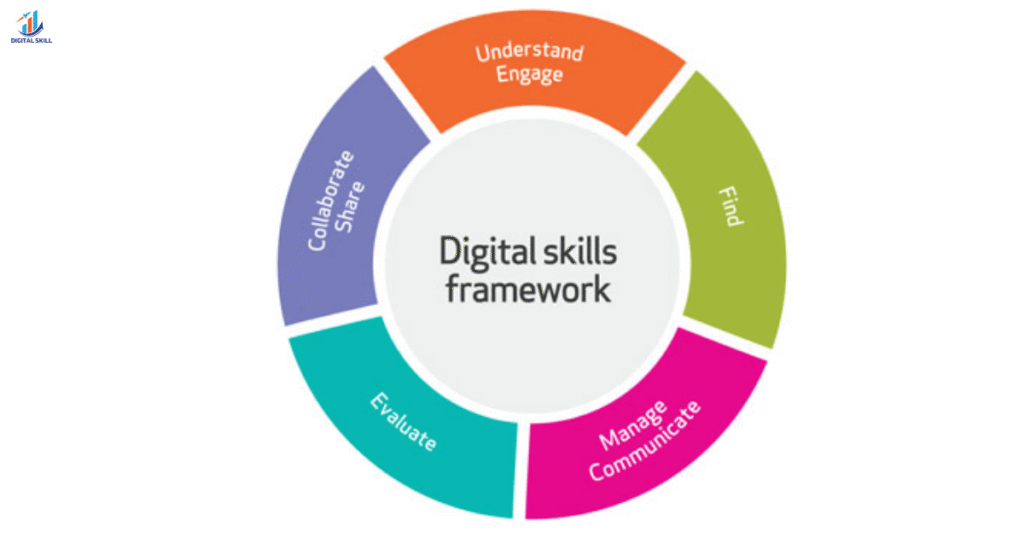
In conclusion, adopting the suggestions from these seven powerful skills framework can significantly enhance your personal and professional growth. By proactively identifying your strengths and weaknesses, you create a roadmap for navigating your development journey. Additionally, cultivating a mindset of continuous learning and adaptation allows you to remain competitive in a changing landscape. Remember, the power of these skills lies not only in their use but also in your continued efforts to master them. Start incorporating these strategies today and see how they transform your potential into real opportunity.Essential digital skills framework is same as this aticle.
FAQS
1. What is a Skills Framework?
A Skills Framework is a structured approach that categorizes and defines the skills needed for personal and professional development, enabling individuals to identify growth areas.
2. How can I create my own custom skills framework?
To create a custom skills framework, start by identifying your specific goals, categorize necessary skills, and define proficiency levels for each skill to guide your growth effectively.
3. Why is a skills taxonomy important?
A skills taxonomy organizes skills hierarchically, providing clarity on how different skills relate to one another, facilitating targeted learning and development strategies.
4. Can I apply the skills framework to physical skills?
Absolutely! A skills framework can also be adapted for physical skills by breaking them down into foundational movements, practice techniques, and performance assessments.
5. How do I assess my current skill level?
You can assess your skill level by using self-assessment tools, seeking feedback from peers, and engaging in performance reviews to identify strengths and areas for improvement.