Discover the 7 Essential Digital Literacy Skills You Must Know Today to stay competitive, work smarter, and boost your digital confidence in an always-evolving world.
Introduction to Digital Literacy Skills📚💡
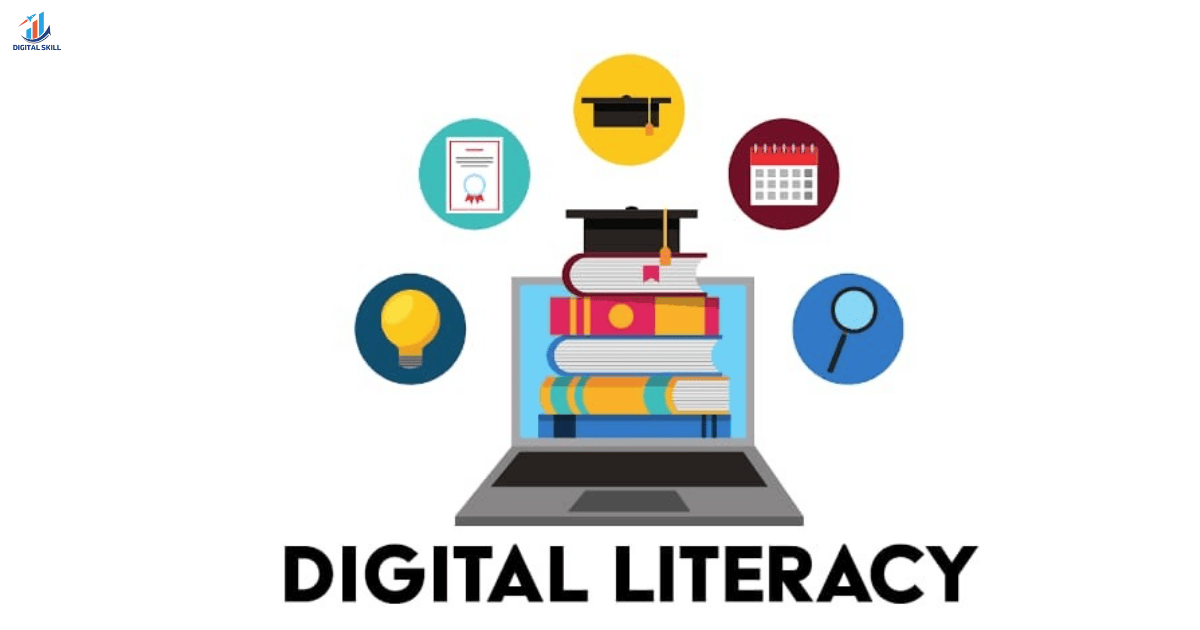
Digital literacy skills encompass more than just the ability to use technology. They represent a critical competency in navigating our increasingly digital world. These skills empower individuals to discern credible sources amidst a vast ocean of information. Moreover, digital literacy is not just about individual skills. It is a communal endeavor that allows us to meaningfully engage in online conversations and social issues. Digital literacy is about empowering ourselves and others to thrive in a connected world.
①Understanding Online Safety and Security🔒🛡️
The world is definitely progressing to digital skills, and online safety and security are moving beyond basic password protection. They encompass a complex ecosystem that includes understanding the implications of data sharing, the ethical dimensions of online behavior, and the broader nature of digital footprints. Every click, every like, and every shared post contributes to a narrative that can be monitored or misused. Furthermore, the evolution of cyber threats requires a proactive approach to security. Knowing how to verify sources and understand the potential risks of seemingly harmless links or apps empowers users beyond simply complying with cybersecurity measures.
②Navigating Information and Media Literacy🌐📰
In a world flooded with information from countless sources, mastering information and media literacy is like wielding a superpower. It empowers individuals to not only discern factual content from fiction but also to understand the motivations behind messages. This skill becomes especially important in navigating the complexities of social media. Again, promoting information literacy goes beyond personal understanding. It cultivates a more informed society. Encouraging conversations about media use in educational settings can transform passive intake into active engagement.
③Effective Communication in the Digital Space💬✉️
In the evolving digital communications landscape, clarity and empathy have never been more essential. With the absence of nonverbal cues, adopting a warm, expressive tone can transform text interactions into meaningful exchanges. As well, understanding the nuances of your audience is crucial. Tailoring your message to resonate with different demographics can increase engagement. For example, using storytelling techniques can captivate audiences in a way that mere facts and figures cannot, making your communication not only informative but also memorable.
④Critical Thinking in a Digital Environment🧠🔍
In today’s digital landscape, critical thinking is more essential than ever. With social media algorithms expanding echo chambers and misinformation spreading like wildfire, it becomes essential to cultivate a critical mindset to navigate this maze of data. Likewise, critical thinking in the digital environment goes beyond news consumption. For example, understanding the ethical implications of artificial intelligence and the associated data privacy concerns can empower users to advocate for responsible technological practices.
⑤Proficient use of digital tools🛠️💻
Mastering digital tools goes beyond basic use. It’s about harnessing their full potential to drive innovation and productivity. Proficient use of digital tools fosters a culture of agility within organizations. For example, integrating project management software with communication platforms can streamline workflows, turning chaotic collaboration into a seamless experience. Moreover, the ability to pivot quickly in response to changing market demands relies heavily on real-time data and collaborative tools. Adopting this digital mindset not only improves efficiency but also fosters an environment where creativity thrives.
⑥Collaboration and Social Networking Skills🤝🌍
Collaboration and social networking skills have transcended traditional hierarchies and become the backbone of the modern professional environment. In an era where information flows freely and global teams come together online, it requires building real relationships.As well, social networking has moved beyond mere contact. It’s about developing a personal brand that resonates in your field. Authentically engaging with others in your industry, whether through online forums, webinars, or social media, allows you to position yourself as a thought leader. By sharing insights and acknowledging the contributions of others, you not only increase your influence but also create a dynamic feedback loop that fuels collective growth. Embracing collaboration and social networking isn’t just a career strategy. It’s an essential skill for thriving in an interconnected world.
⑦Adopting New Technologies⚙️🚀
Adopting new technologies often feels like wading into uncharted waters, yet the journey can uncover hidden treasures for personal and professional growth. Instead of viewing new tools as overwhelming, think of them as gateways to streamline processes and enhance creativity. For example, AI-powered analytics can transform the way businesses approach decision-making, turning data into actionable insights that drive innovation. Moreover, the process of adaptation fosters flexibility and agility. In a rapidly evolving landscape, those who are willing to experiment with and learn from technological advances are better equipped to pivot when challenges arise. Technology can position them to not only survive but thrive in this digital age.
⑧Embracing Digital Literacy Today🌟📱
In an era where information flows at lightning speed, embracing digital literacy has become essential not only for personal growth but also for fostering informed citizenship. It’s about critically evaluating the credibility of sources and engaging in meaningful online conversations. The rise of misinformation demands that we cultivate discernment, transforming consumers into knowledgeable navigators of the digital landscape. Furthermore, digital literacy transcends traditional academic boundaries, penetrating professional circles and everyday life. Understanding the nuances of digital tools can enhance collaboration, creativity, and productivity across a variety of disciplines. For example, as remote work becomes more prevalent, the ability to leverage digital platforms for effective communication is now a cornerstone of successful teamwork.
Conclusion📌❓
Establishing Digital Literacy Skills is no longer optional. It has become a basic necessity in our interconnected world. The seven skills outlined in this article lay the foundation for navigating the complexities of modern technology, enhancing your ability to communicate, collaborate, and innovate effectively. With technology advancing at a rapid pace, it is essential to stay ahead of the curve. Start adopting these skills now and pave the way for a more empowered and informed digital future.
Faqs🌟✅
1. What is digital literacy?
Digital literacy refers to the ability to effectively use digital tools and technologies to find, evaluate, create, and communicate information.
2. Why are digital literacy skills important?
These skills are essential for navigating today’s digital world, enhancing job prospects, improving communication, and ensuring informed decision-making.
3. What are the seven essential digital literacy skills?
The essential skills typically include information literacy, communication skills, technical proficiency, online safety, problem-solving, creativity, and collaboration.
4. How can I improve my digital literacy skills?
You can enhance your skills through online courses, workshops, practicing with digital tools, and engaging in community tech programs.
5. Are digital literacy skills applicable to all age groups?
Yes, digital literacy skills are important for everyone, from children to seniors, as technology plays a crucial role in daily life.