
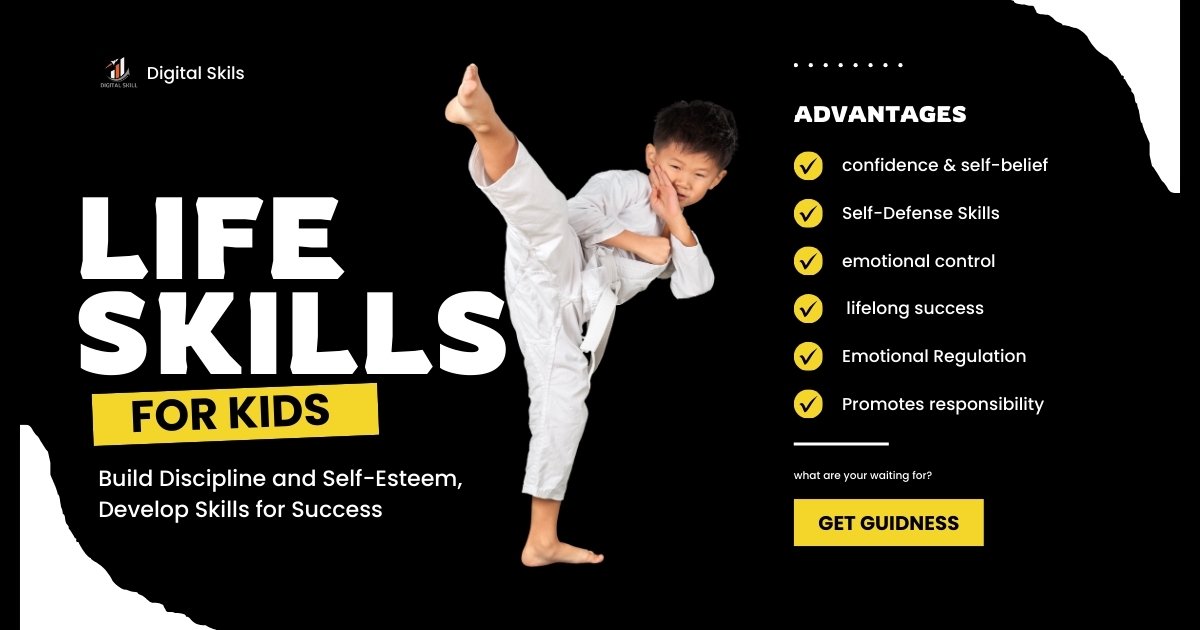
Discover essential life skills for kids that build confidence, independence, and success. Practical tips every parent and teacher can use today.
Introduction 🌟Life Skills for Kids
Raising confident and capable children requires more than academic knowledge. Young minds need practical abilities that help them face daily situations, make wise decisions, and build healthy relationships. These abilities support emotional strength, independence, and adaptability from an early age. When children learn these skills gradually, they grow into responsible adults who can manage challenges with confidence. This article explains seven important abilities every child should learn in a clear and simple way.
Start Reading 7 Essential Life Skills for Kids
1. Communication Skills 🗣️💬
Clear communication helps children express thoughts, feelings, and needs respectfully. When kids learn to speak and listen properly, they understand others better and avoid unnecessary conflicts. This ability improves friendships, classroom participation, and family bonding. It also builds confidence when children share ideas without fear. Strong communication supports emotional expression and mutual respect in everyday life.
2. Emotional Awareness ❤️🧠
Understanding emotions is a key part of personal growth. Children who can recognize their feelings learn how to manage anger, sadness, and excitement in healthy ways. This ability helps them respond calmly instead of reacting impulsively. Emotional awareness also improves empathy, allowing kids to understand how others feel. Over time, it strengthens relationships and emotional balance.
3. Problem-Solving Ability 🧩💡
Life often presents small challenges, even for children. Learning how to think critically helps kids find solutions instead of giving up. This ability teaches them to analyze situations, consider options, and choose wisely. It builds patience and logical thinking in daily tasks. Problem-solving also encourages independence and boosts self-belief when children overcome difficulties.
4. Decision-Making Skills ⚖️🧠
Making choices is part of everyday life, from selecting friends to managing time. Children who learn decision-making understand consequences and responsibility early on. This skill teaches them to weigh options and think before acting. It helps them develop self-control and confidence in their judgments. Good decision-making prepares children for real-life responsibilities.
5. Time Management ⏰📅
Managing time helps children balance school, play, and rest effectively. When kids learn how to organize tasks, they feel less stressed and more focused. This ability teaches discipline and planning from a young age. It also helps them meet deadlines without pressure. Over time, time management builds productivity and reduces procrastination.
6. Basic Financial Awareness 💰📘
Understanding money concepts early creates responsible habits. Children who learn saving, spending, and budgeting develop a healthy relationship with finances. This skill teaches the value of money and the importance of making smart choices. It also encourages patience and planning for future needs. Financial awareness supports independence and practical thinking in adulthood.
7. Self-Care and Personal Responsibility 🧼🌿
Self-care teaches children to take care of their health, hygiene, and overall well-being. This ability helps them understand responsibility for their own actions and routines. When kids learn personal care, they become more confident and independent. It also supports mental and physical wellness. Personal responsibility encourages accountability and positive daily habits.
Benefits of Learning These Skills 🌟
- Learning these skills helps children become more confident in their everyday actions and decisions. They learn how to express emotions clearly, solve problems calmly, and approach challenges with a positive mindset.
- These skills encourage independence and responsibility from a young age. Children begin to manage their time, make thoughtful choices, and take care of themselves without constant guidance.
- Another important benefit is improved emotional and social development. Children understand others better, develop empathy, and collaborate effectively in group activities.
- Finally, they develop habits that support academic performance, personal well-being, and future career preparation. These benefits create a strong foundation for a balanced and successful life.
Short Ways to Learn These Skills:
- Practice through daily routines
- Learn by observing parents
- Encourage open communication
- Assign small responsibilities
- Use real-life situations
- Play skill-based games
- Reflect and improve regularly
Understand By The Video
Conclusion 🌈🚀
Teaching children essential abilities early helps shape a strong and confident future. Life skills for kids support emotional growth, independence, and responsible behavior throughout life. When parents and educators guide children with patience and consistency, learning becomes natural and effective. Small daily practices can create long-lasting positive habits. Investing in these skills today prepares children for a successful and balanced tomorrow.
FAQs📌❓
1. What are life skills for kids?
Life skills for kids are practical abilities that help children manage daily activities, emotions, and social interactions confidently. These skills support independence, problem-solving, communication, and responsible behavior from an early age.
2. Why are basic life skills for kids important?
Basic life skills for kids are important because they prepare children to handle real-life situations with confidence. These skills help them make better decisions, manage time, build relationships, and develop self-reliance as they grow.
3. At what age should children start learning life skills?
Children can start learning life skills at a very young age through simple daily activities. Small responsibilities like sharing, cleaning up, and expressing feelings help build a strong foundation over time.
4. How can parents teach life skills at home?
Parents can teach life skills by involving children in daily routines and modeling positive behavior. Consistent guidance and patience help children learn naturally and confidently.