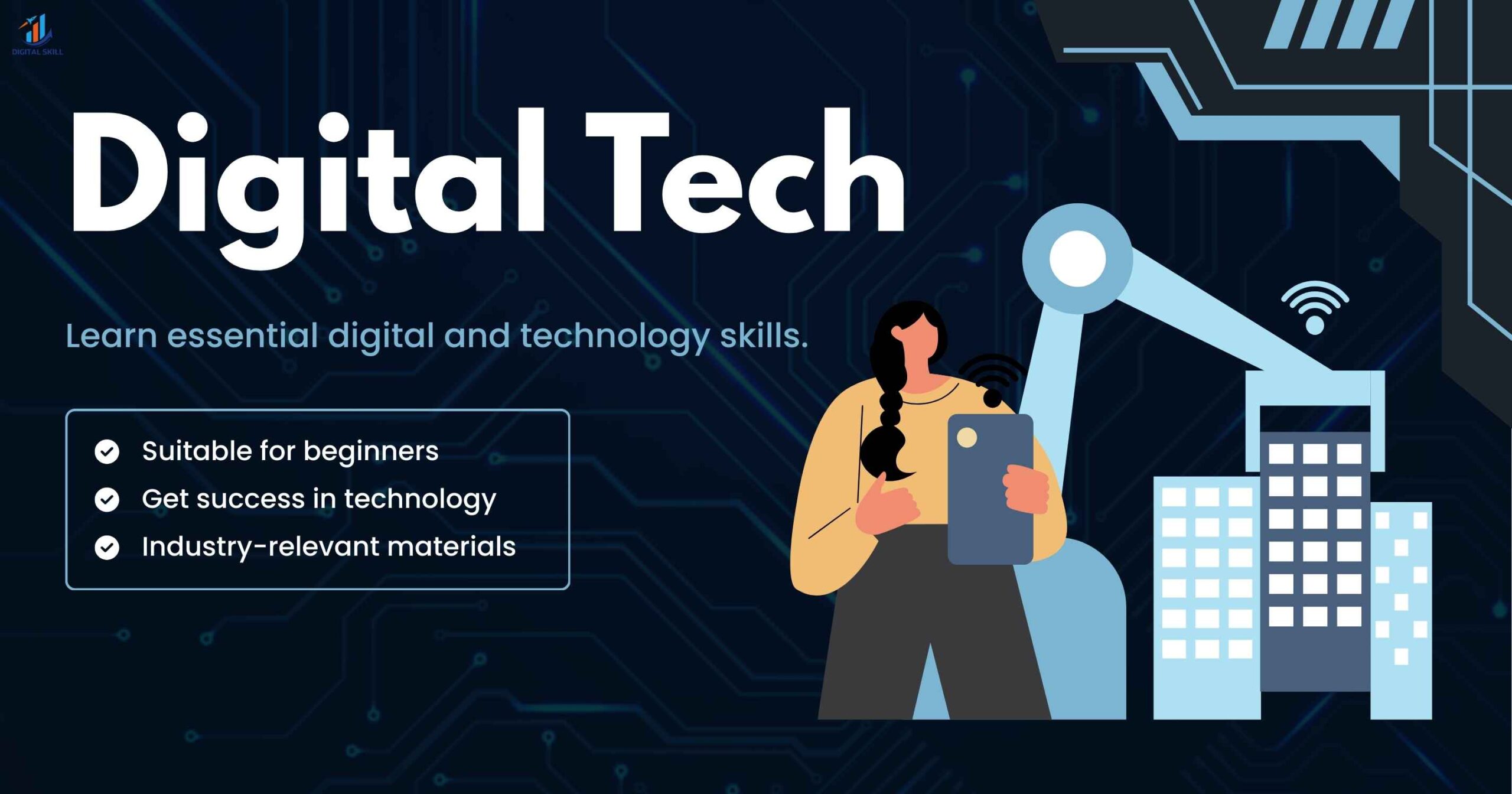
Young professionals need to constantly upgrade their skills to stay competitive in the fast-paced job market. As new technologies keep developing, continuous learning becomes important. Build career-ready Tech Savvy Skills with essential digital, data, and technology competencies needed to succeed in today’s fast-changing professional world.
Introduction
In today’s fast-evolving digital world, tech savvy skills are no longer optional; they are essential for building a successful and future-proof career. From automation communication, technology shapes how we work, collaborate, and innovate. This article explores why digital skills matter and highlights the most important tech savvy skills young professionals need to stay competitive in the modern job market.
The Importance of Digital Skills
Digital skills empower individuals to work smarter, adapt faster, and create more value in their roles. Employers increasingly seek professionals who can confidently use technology, analyze data, and leverage digital tools to solve problems. Strong tech savvy skills improve productivity, enhance employability, and open doors to global career opportunities across industries.
Essential Digital Skills for Young Professionals
Young professionals entering the workforce must develop a balanced mix of technical, analytical, and creative digital skills. These include data literacy, digital communication, basic coding knowledge, cybersecurity awareness, and familiarity with modern workplace tools. Mastering these tech savvy skills helps professionals stand out and grow quickly in their careers.
1. Data Analysis and Visualization
Data analysis is a core tech savvy skill that enables professionals to make informed decisions. Understanding how to collect, analyze, and interpret data helps identify trends and insights. Visualization tools like dashboards and charts make complex data easier to understand and communicate, adding value to business strategies.
Key Tools:
- Excel: A fundamental tool for data analysis and manipulation.
- Tableau: For data visualization and creating interactive dashboards.
- Python and R: Programming languages used for advanced data analysis.
How to Learn:
- Enroll in online courses (e.g., Coursera, Udemy, eduCLaaS).
- Participate in data analysis projects or internships.
- Practice with real-world datasets.
2. Digital Marketing
Digital marketing skills are essential in a world driven by online engagement. Knowledge of social media marketing, SEO, content creation, email campaigns, and analytics allows professionals to promote brands effectively. These tech savvy skills are valuable not only for marketers but also for entrepreneurs and business leaders.
Key Tools:
- Google Analytics: For tracking and analyzing website traffic.
- Hootsuite: For managing social media campaigns.
- Mailchimp: For email marketing campaigns.
How to Learn:
- Take online marketing courses.
- Gain practical experience through internships or freelance projects.
- Stay updated with digital marketing trends and best practices.
3. Programming and Coding
Basic programming and coding skills help professionals understand how digital systems work. Languages like Python, JavaScript, or HTML improve problem-solving abilities and logical thinking. Even non-technical roles benefit from coding knowledge, making it a powerful tech savvy skill for career growth.
Key Tools:
- Python: Versatile and widely used in web development, data analysis, and automation.
- JavaScript: Essential for web development.
- SQL: Crucial for database management.
How to Learn:
- Enroll in coding bootcamps or online courses.
- Practice through projects and coding challenges.
- Contribute to open-source projects.
4. Cybersecurity
Cybersecurity awareness is critical as digital threats continue to rise. Understanding safe online practices, data protection, and risk management helps protect both personal and organizational information. Tech savvy skills in cybersecurity build trust and ensure compliance in digital environments.
Key Tools:
- Network Security: Protecting data during transfer.
- Information Security: Safeguarding data from unauthorized access.
- Ethical Hacking: Identifying and addressing security vulnerabilities.
How to Learn:
- Obtain certifications (e.g., CompTIA Security+, Certified Ethical Hacker).
- Participate in cybersecurity competitions.
- Stay informed about the latest security threats and solutions.
5. Artificial Intelligence and Machine Learning
AI and machine learning are transforming industries through automation and intelligent decision-making. Gaining foundational knowledge of how AI works, its applications, and ethical considerations equips professionals with advanced tech savvy skills that are highly valued in the job market.
Key Tools:
- Machine Learning Algorithms: Understanding how machines learn from data.
- Neural Networks: Key to deep learning and advanced AI applications.
- Natural Language Processing (NLP): Enabling machines to understand human language.
How to Learn:
- Study AI and ML courses from reputable platforms.
- Work on AI projects and build machine learning models.
- Follow AI research and developments.
6. Cloud Computing
Cloud computing enables remote work, scalability, and efficient data management. Familiarity with cloud platforms and services helps professionals collaborate effectively and support digital transformation initiatives. Cloud knowledge is a key component of modern tech savvy skills.
Key Tools:
- Amazon Web Services (AWS): Leading cloud service provider.
- Microsoft Azure: Popular for enterprise solutions.
- Google Cloud Platform (GCP): Known for its data analytics and machine learning services.
How to Learn:
- Complete cloud certification programs (e.g., AWS Certified Solutions Architect).
- Gain hands-on experience by deploying applications on cloud platforms.
- Understand cloud security and best practices.
7. User Experience (UX) Design
UX design focuses on creating user-friendly digital products and services. Understanding user behavior, design principles, and usability testing improves product quality and customer satisfaction. UX is a valuable tech savvy skill for professionals working in digital, creative, or product-based roles.
Key Tools:
- User Research: Understanding user needs and behaviors.
- Wireframing and Prototyping: Creating and testing design concepts.
- Usability Testing: Ensuring the product meets user expectations
How to Learn:
- Take UX design courses and bootcamps.
- Work on design projects and gather user feedback.
- Stay updated with UX trends and best practices.
8. Project Management Tools
Digital project management tools help teams plan, track, and deliver projects efficiently. Skills in using task management, collaboration, and reporting tools enhance productivity and teamwork. These tech savvy skills are essential for managing deadlines and achieving goals.
Key Tools:
- Trello: For visual task management.
- Asana: For comprehensive project tracking.
- Jira: Popular among software development teams.
How to Learn:
- Use project management tools in real or simulated projects.
- Obtain project management certifications (e.g., PMP, Scrum Master).
- Learn about different project management methodologies (e.g., Agile, Waterfall).
How to Develop These Skills
Developing tech savvy skills requires a proactive and continuous learning mindset. Setting clear learning goals, practicing regularly, and applying skills in real-world scenarios accelerate professional growth and confidence.
Online Courses and Certifications
Online courses and certifications provide structured learning and industry-recognized credentials. They allow professionals to learn at their own pace while building credible tech savvy skills that enhance resumes and career prospects.
Tips:
- Choose courses you are interested in.
- Balance theoretical knowledge with practical projects.
- Stay committed and set aside regular study time.
Practical Experience
Hands-on experience is key to mastering digital skills. Internships, freelance projects, personal portfolios, and real-world problem-solving help transform theoretical knowledge into practical tech savvy skills.
Tips:
- Seek opportunities that align with your career goals.
- Don’t shy away from challenging projects—they offer the most learning.
- Document your projects and the skills you utilized.
Networking and Mentorship
Connecting with industry professionals and mentors provides guidance, insights, and career opportunities. Networking supports skill development by exposing individuals to real-world challenges and best practices in technology-driven fields.
Tips:
- Be proactive in reaching out and building relationships.
- Offer value in your interactions, such as sharing resources or insights.
- Be open to feedback and willing to learn.
Staying Updated with Industry Trends
Technology evolves rapidly, making continuous learning essential. Following industry news, attending webinars, and joining professional communities help professionals stay current and maintain relevant tech savvy skills.
Tips:
- Allocate time each week for reading and learning about industry developments.
- Participate in online communities and discussions.
- Experiment with new tools and technologies to stay ahead.
Understand tech savvy skills by Video
Conclusion
In a competitive digital economy, tech savvy skills are the foundation of career readiness and long-term success. By developing essential digital skills, embracing continuous learning, and staying adaptable, professionals can future-proof their careers and thrive in an increasingly technology-driven world.
FAQs
1. What are essential digital skills?
They’re the foundational abilities to use technology confidently, creatively, and safely in work and life.
2. Why are digital skills important for young professionals?
They increase employability, adaptability, and innovation in digital workplaces.
3. How does eduCLaaS help learners develop digital skills?
eduCLaaS provides blended, competency-based programs that combine learning with real-world application.
4. Which digital skill is most in demand?
Currently, data analytics and digital marketing are among the most sought-after globally.
5. Can non-technical people learn digital skills?
Absolutely. Digital skills training is designed for all backgrounds and experience levels.
6. How long does it take to become digitally skilled?
Depending on focus, most learners gain proficiency within 3–6 months of guided study and practice.