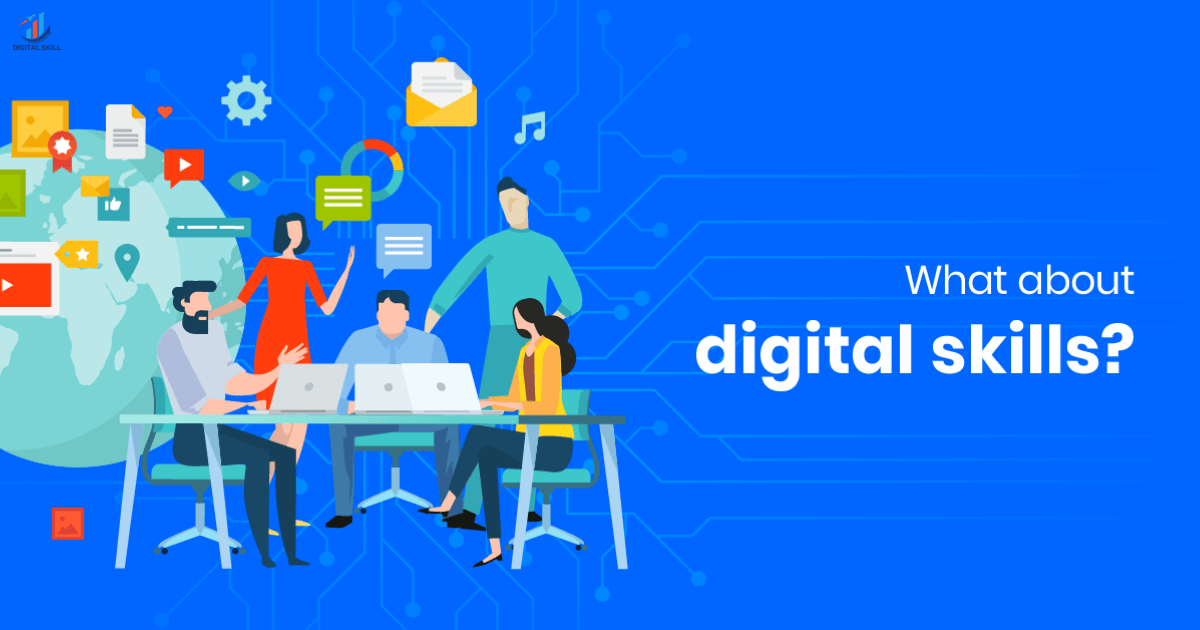
Discover 7 eye-opening facts explaining what are digital skills and why they matter. Unlock your potential, boost your career, and stay ahead in the digital world.
What are digital skills?
Digital skills encompass the capabilities needed to navigate an increasingly online world, going far beyond basic computer literacy. They include the ability to effectively use digital tools and platforms, from social media and content creation to data analysis and cybersecurity. What sets digital skills apart is their broad impact across domains. For example, understanding digital marketing can significantly increase the reach of small businesses, while data literacy empowers professionals to make informed decisions based on analytics.
The Importance of Digital Skills
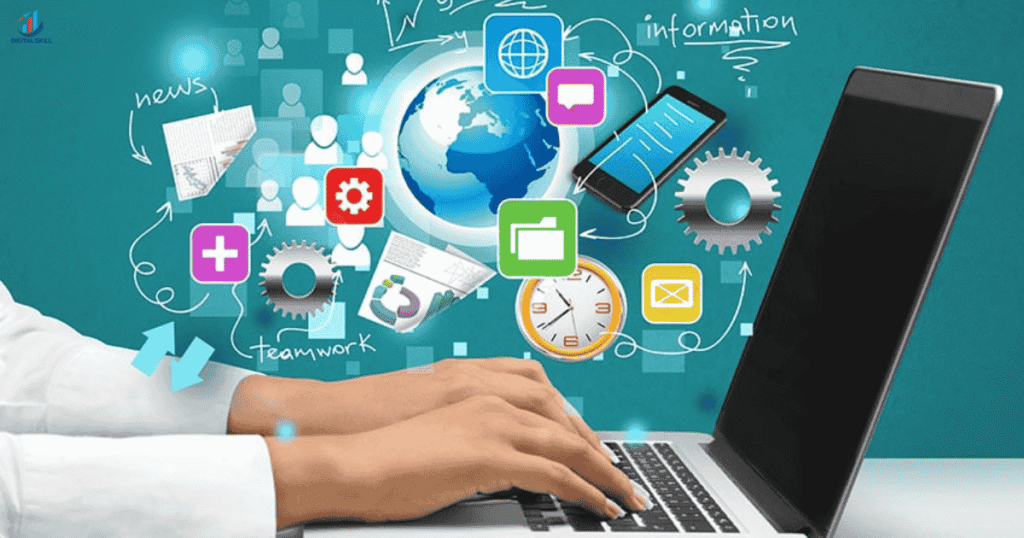
In today’s fast-paced world, digital skills are more than just a perk. They are now essential for survival and success in the workforce. As industries become increasingly reliant on technology, the gap between those equipped with digital skills and those without is widening. This disparity isn’t just about getting a job. It impacts career development, adaptability, and even social mobility. Digital skills empower individuals to navigate complex online environments amidst technological change, fostering creativity and innovation.
Types or list of digital skills.
In today’s fast-paced world, digital skills are more than just benefits. In a global economy, digital literacy enhances communication and collaboration across borders. Whether collaborating on a project with a remote team or engaging with diverse cultures through social media, understanding digital tools breaks down barriers and unlocks new opportunities.Here we have given you a list of digital skills.
- Basic Computer & Digital Literacy
- Online Communication & Collaboration Skills
- Information & Data Handling Skills
- Content Creation & Digital Creativity Skills
- Digital Marketing & Online Presence Skills
- Technical & IT Skills
- Cybersecurity & Online Safety Skills
- Problem-Solving & Innovation Skills
Digital Literacy vs. Digital Skills
Digital literacy involves the ability to navigate, evaluate, and create information using a variety of digital technologies. It is not just about knowing how to use software or devices. It involves critical thinking and effective communication in an online environment. Understanding digital ethics, online privacy, and the impact of digital content on society are essential components, enabling users to engage responsibly and thoughtfully. Digital skills, on the other hand, refer to the specific abilities needed to use technology tools effectively. These can range from basic skills like typing and email to advanced skills like coding or data analysis.
Digital skills enhance career opportunities.
In today’s rapidly evolving job market, digital skills have become a means of career advancement. As industries increasingly integrate technology, professionals with expertise in digital tools are not only standing out but also opening doors to innovative roles that didn’t exist a decade ago. Mastering skills like data analysis, digital marketing, or coding can take an employee from simply meeting job requirements to becoming an indispensable asset, driving strategic decisions, and contributing to innovation in their organizations. Additionally, digital competencies create pathways for remote work, enabling individuals to take advantage of global opportunities without geographic constraints. This flexibility broadens the talent pool and fosters a more diverse workplace.
Digital Skills in Education
Digital skills are now essential to navigating the modern educational landscape, moving beyond traditional learning methods.Furthermore, the integration of digital tools fosters creativity and innovation. With access to an array of multimedia resources, students can express their ideas through a variety of platforms, from podcasts to digital art, enhancing their learning experience and personal growth. As teachers adapt their teaching strategies to take advantage of these technologies, they are developing a generation of learners who are not only adept at using digital tools but also prepared to innovate and solve complex problems in an increasingly digital world. This evolution in education harnesses the power of technology, shaping a future where students are not just passive recipients of knowledge, but also active creators and thinkers.
Digital Skills for Life
In today’s fast-paced world, digital skills have become as essential as traditional literacy. Digital skills have gone beyond personal management. They facilitate deeper connections and community engagement. Social media platforms have transformed how we communicate and share experiences, allowing people to grow networks, support local businesses, and participate in civic initiatives. As we become more digitally fluent, we unlock lifelong learning opportunities through online courses and webinars, which enrich our personal and professional lives. Adopting these skills not only makes everyday tasks easier but also fosters a sense of belonging in an increasingly interconnected world.
Future Trends in Digital Skills
As technology continues to advance at a rapid pace, digital skills are becoming increasingly specialized. The rise of artificial intelligence and machine learning is shifting the demand for data literacy and algorithmic thinking. Professionals will need to move beyond basic technical knowledge. Understanding how to interpret data ethically and use it to drive decision-making. This emphasis on data ethics will require new educational frameworks that foster not only technical skills but also critical thinking and responsibility.
Digital Skills for Success
In today’s fast-paced world, adopting digital skills is not just an option. It is a requirement for advancement in any career. Consider the emerging fields of artificial intelligence and data analytics, where skills open doors to innovative thinking and strategic problem solving. Digital literacy goes beyond knowing how to use tools. It includes understanding how to leverage these technologies to achieve effective results. By cultivating a mindset ready to continuously learn, professionals can stay ahead of the curve while embracing disruptive changes in traditional industries.
Conclusion
The insights presented in this article highlight the critical role of digital skills in today’s society. With technological advancements reshaping industries and everyday interactions, having these skills is no longer optional but a necessity. Whether you’re looking for career advancement, personal growth, or simply navigating everyday tasks, enhancing your digital capabilities can open new doors. The time to prioritize your digital education is now, as the landscape of opportunities is constantly evolving. Take on the challenge and start enhancing your digital capabilities to thrive in this dynamic landscape!
FAQs
What exactly are digital skills?
Digital skills are the abilities required to use digital devices, online platforms, and technology tools for communication, work, learning, data handling, content creation, and problem-solving in today’s digital environment.
Why are digital skills important today?
Digital skills are essential for better job opportunities, productivity, online communication, business growth, remote work, and staying competitive in an increasingly technology-driven world.
What are examples of digital skills?
Examples include basic computer skills, internet browsing, email handling, social media management, data entry, online collaboration tools, digital marketing, cybersecurity awareness, coding, and AI/automation skills.
How can I improve my digital skills?
You can improve digital skills through online courses, tutorials, hands-on practice, certifications, learning platforms like Google Digital Garage or Coursera, and by regularly using digital tools in daily life and work.